













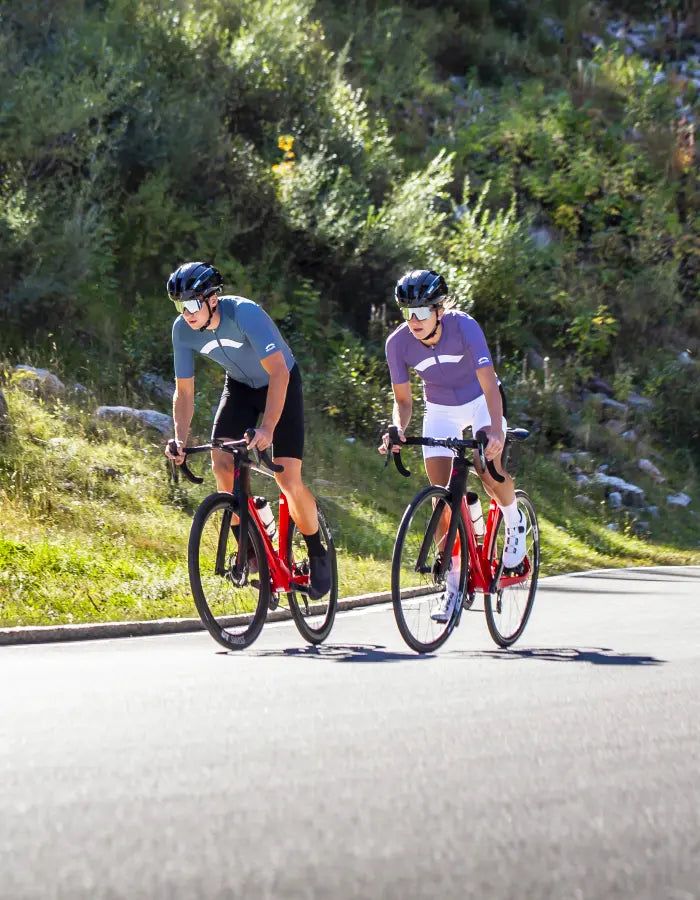

Photo credit: Skinfit International GmbH
Eat properly, train better
A well-balanced nutrition, smart travel preparation and a specific supply of protein, carbohydrates, amino acids, electrolytes and other nutrients help athletes get the most out of their training camps.
Unprocessed foods, low sugar: how to avoid cravings and fatigue
During their training camps, triathletes, cyclists and mountain bikers should make sure they eat healthy, high-quality foods favouring unprocessed foods such as vegetables, meat, salads and high-quality fats (olive oil, nuts). In addition, they need to consume a higher proportion of carbohydrates, for example in the form of pasta, rice or potatoes. Whenever possible, they must avoid added sugar, which is found in buffets in sweetened yoghurts, soft drinks, supposedly healthy fruit juices, canned fruit or desserts with a high sugar content. None of these foods cause satiety; on the contrary, they cause further cravings far beyond the amount of energy required. Associated with this there is poorer recovery and sleeping difficulties, partly due to increased inflammation markers in the blood and a highly fluctuating blood sugar level, which is either too high (fatigue) or too low (hunger).
Travel to and from the training camp in good health
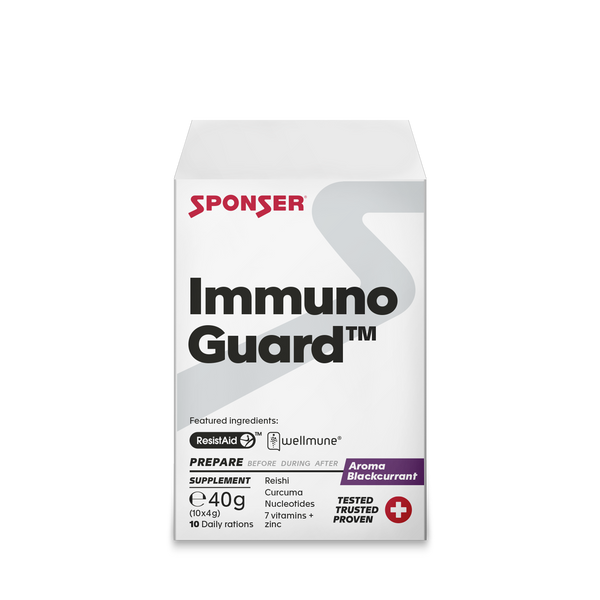
Travelling is stressful and puts the immune system under strain. Those who fall ill on the outward or return journey risk losing the benefits of the training camp. The last few days before departure are usually very stressful, with everyday life dominated by packing and all the last-minute tasks that need to be done. On the return journey, the body is worn out by the high volume of training. It is therefore worth ensuring that you consume more protein during the journey and taking Immunoguard with you to strengthen your natural defences. Because the food on planes is usually not of very high quality and the entire journey almost always takes longer than intended, here is a valuable tip: be prepared and bring your own high-quality food and snacks with you on the plane. Make sure you consume enough protein and minimal amounts of sugar.
Protein and amino acids for fast recovery
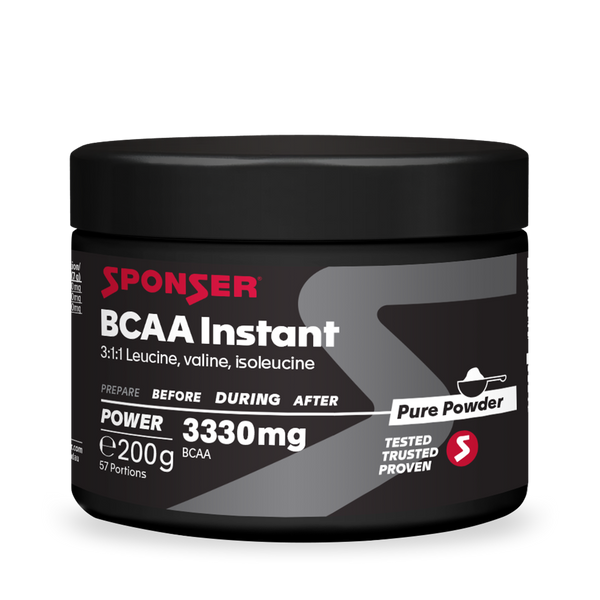
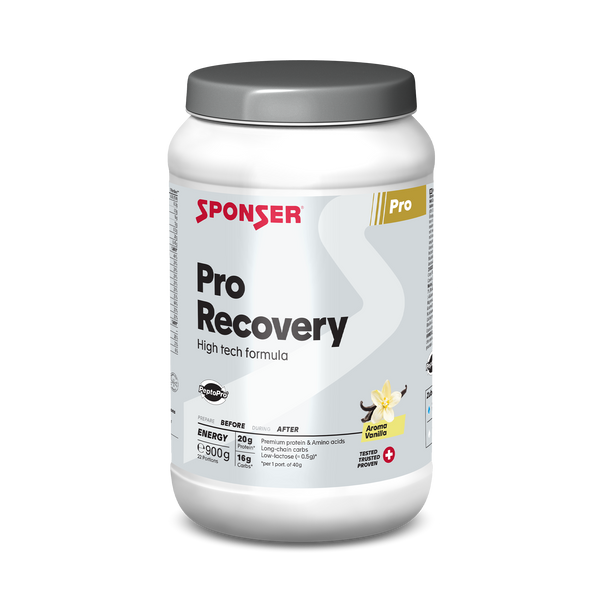
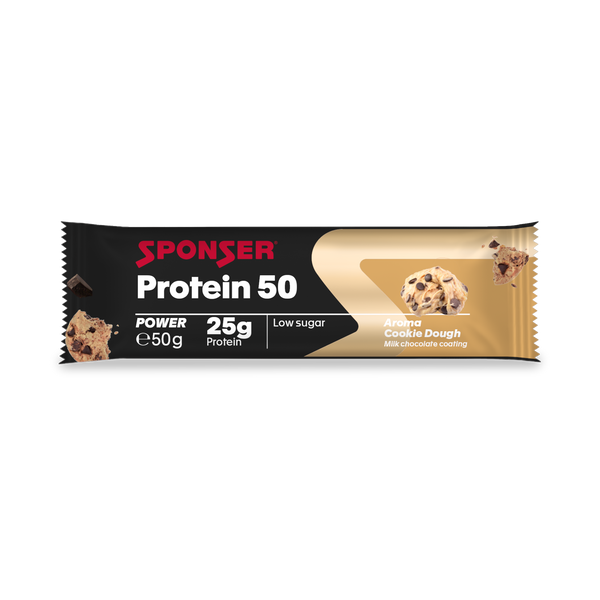
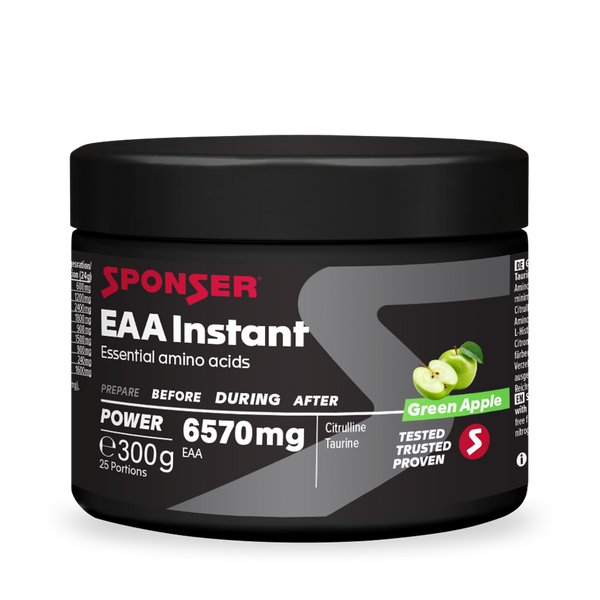
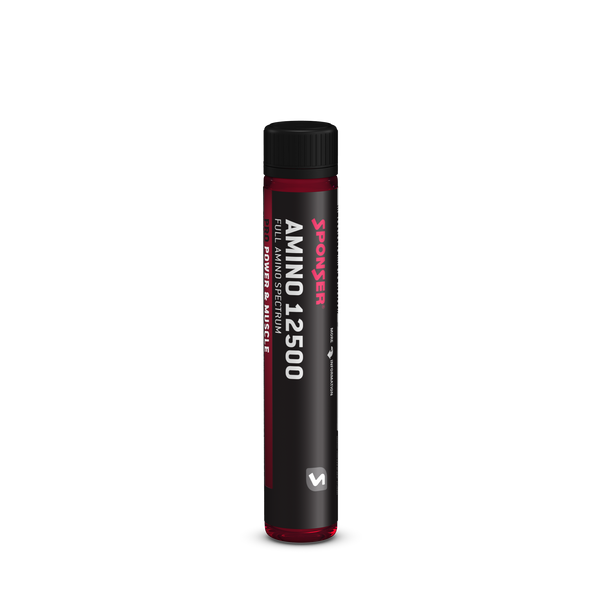
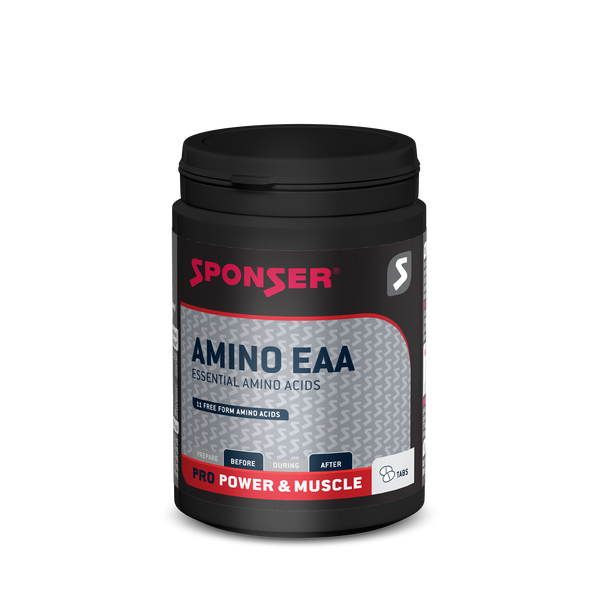
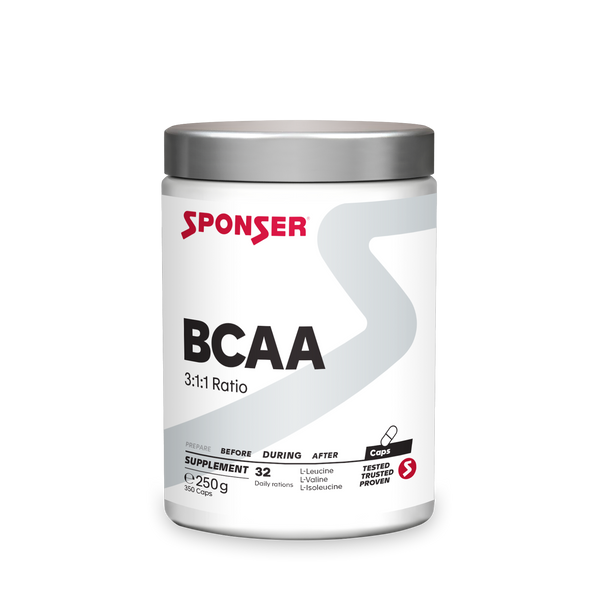
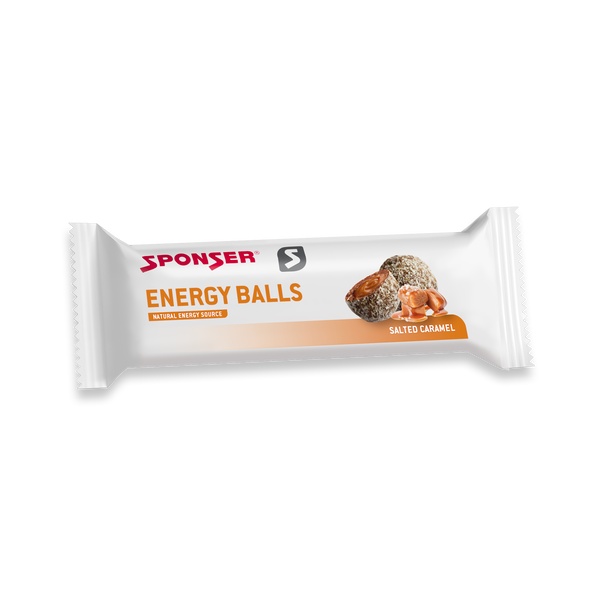
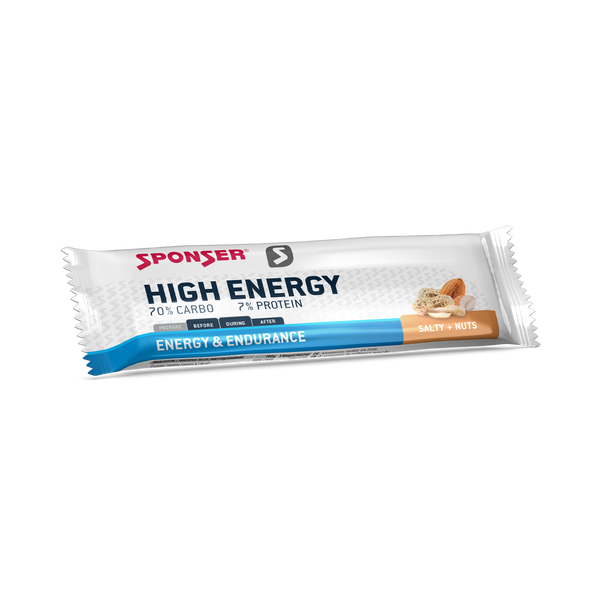
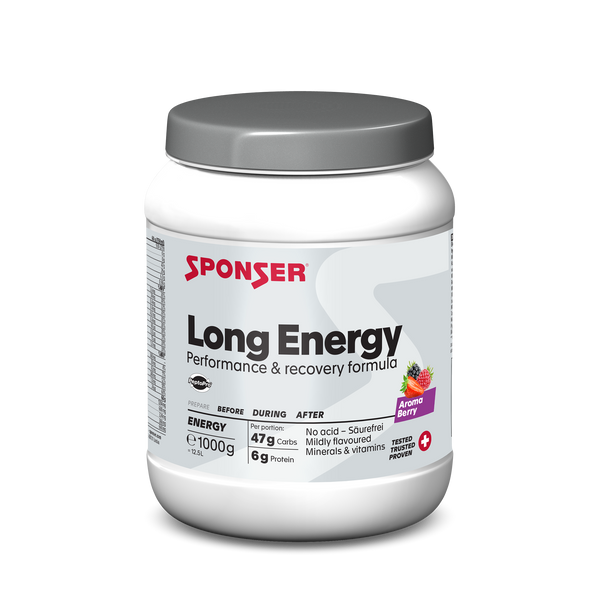
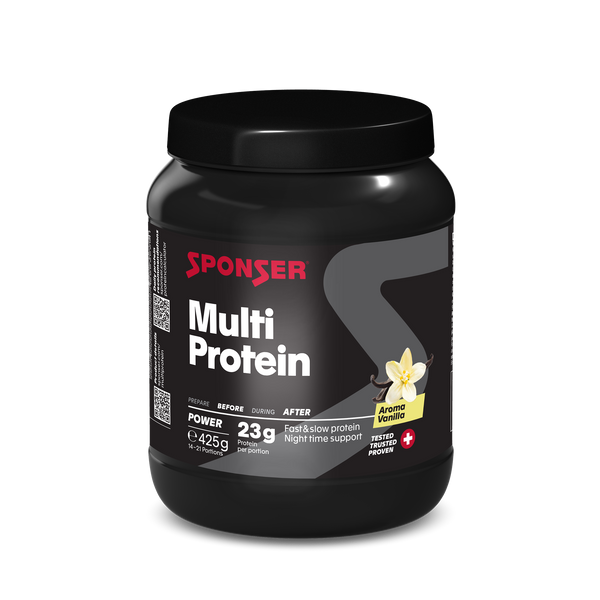
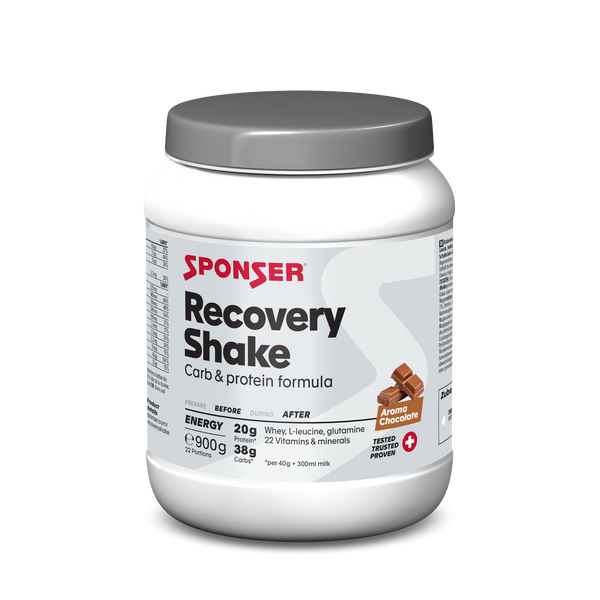
The more you train, the more important it becomes to recover quickly. That's why a regular protein intake is so important. The general rule is to consume at least one 20–25 g serving of protein every three to four hours. In everyday nutrition, this amount can usually be covered by basic foods. However, in training camps, this is not so easy to achieve if you are eating lunch on your bike due to the high volume of training. Ideally, you should help yourself with low-sugar protein bars and high-quality recovery shakes, as well as amino acids to support muscle recovery and prevent the breakdown of muscle protein during long periods of exertion. Before going to bed is another ideal time to consume protein, as the recovery phase runs at full speed overnight.
Nutrition for long bike rides
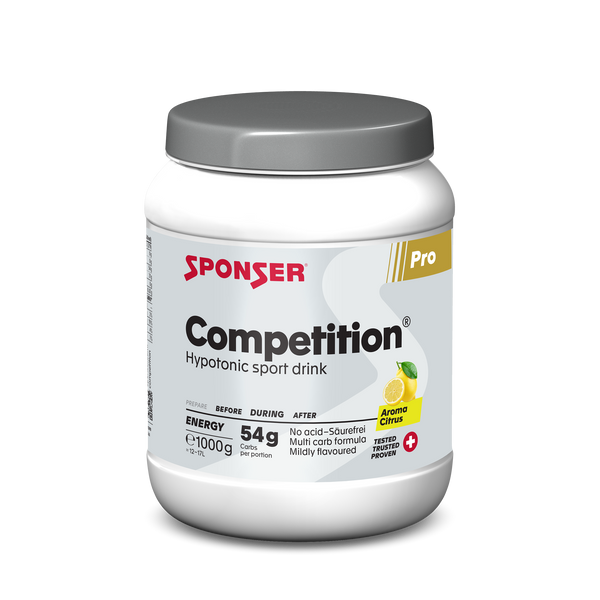
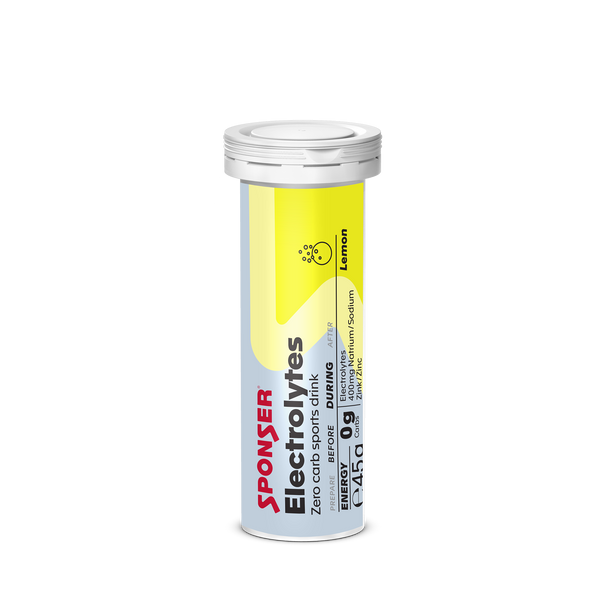
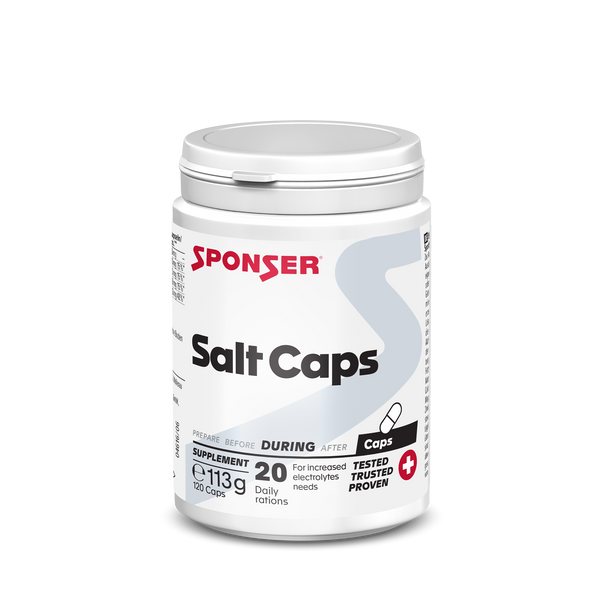
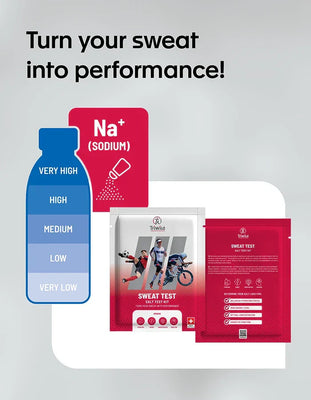
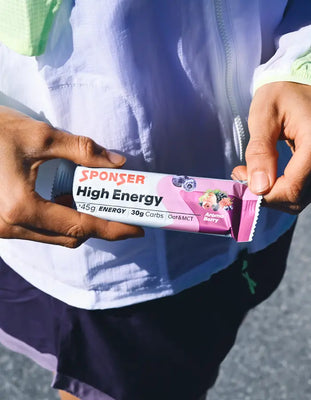
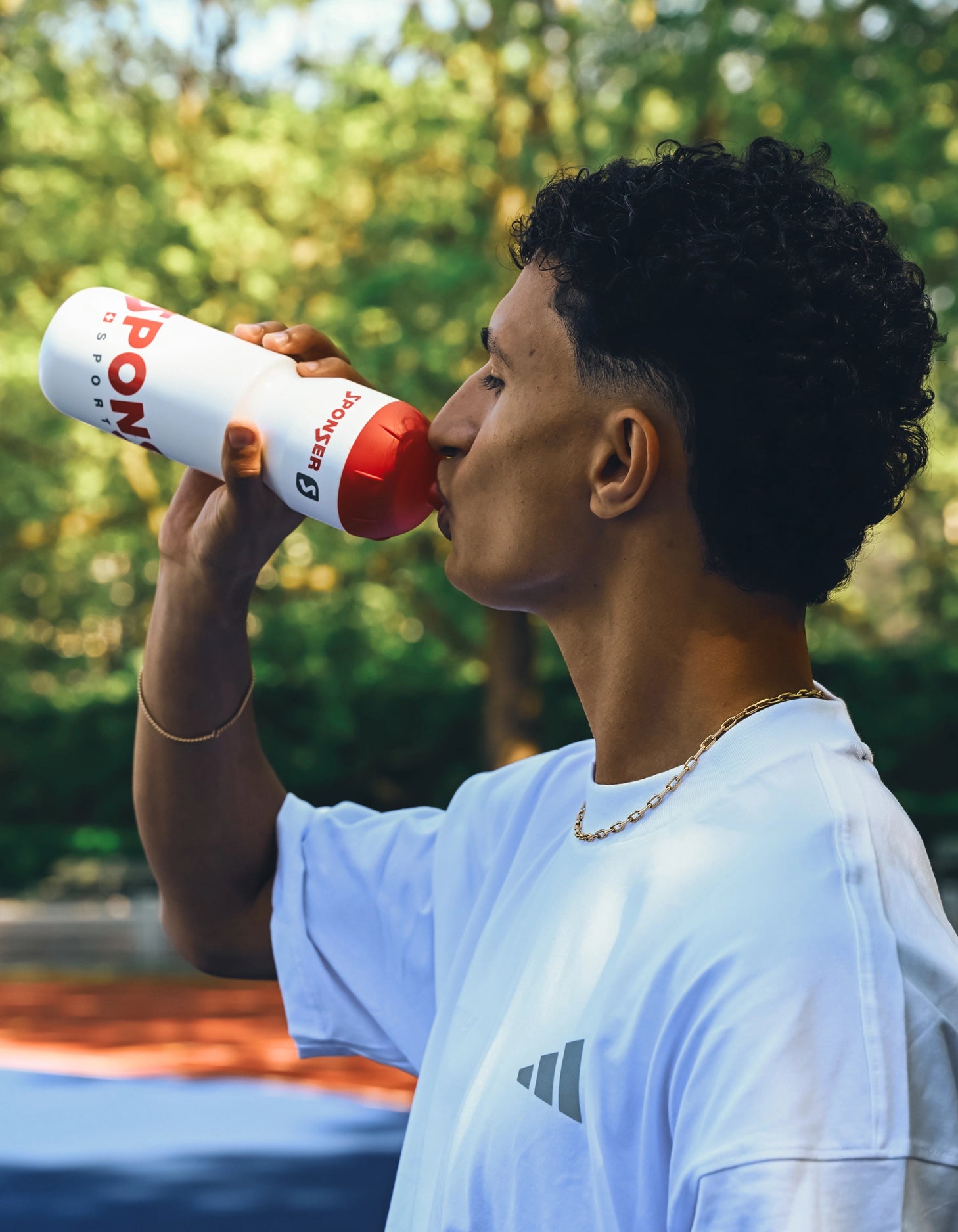
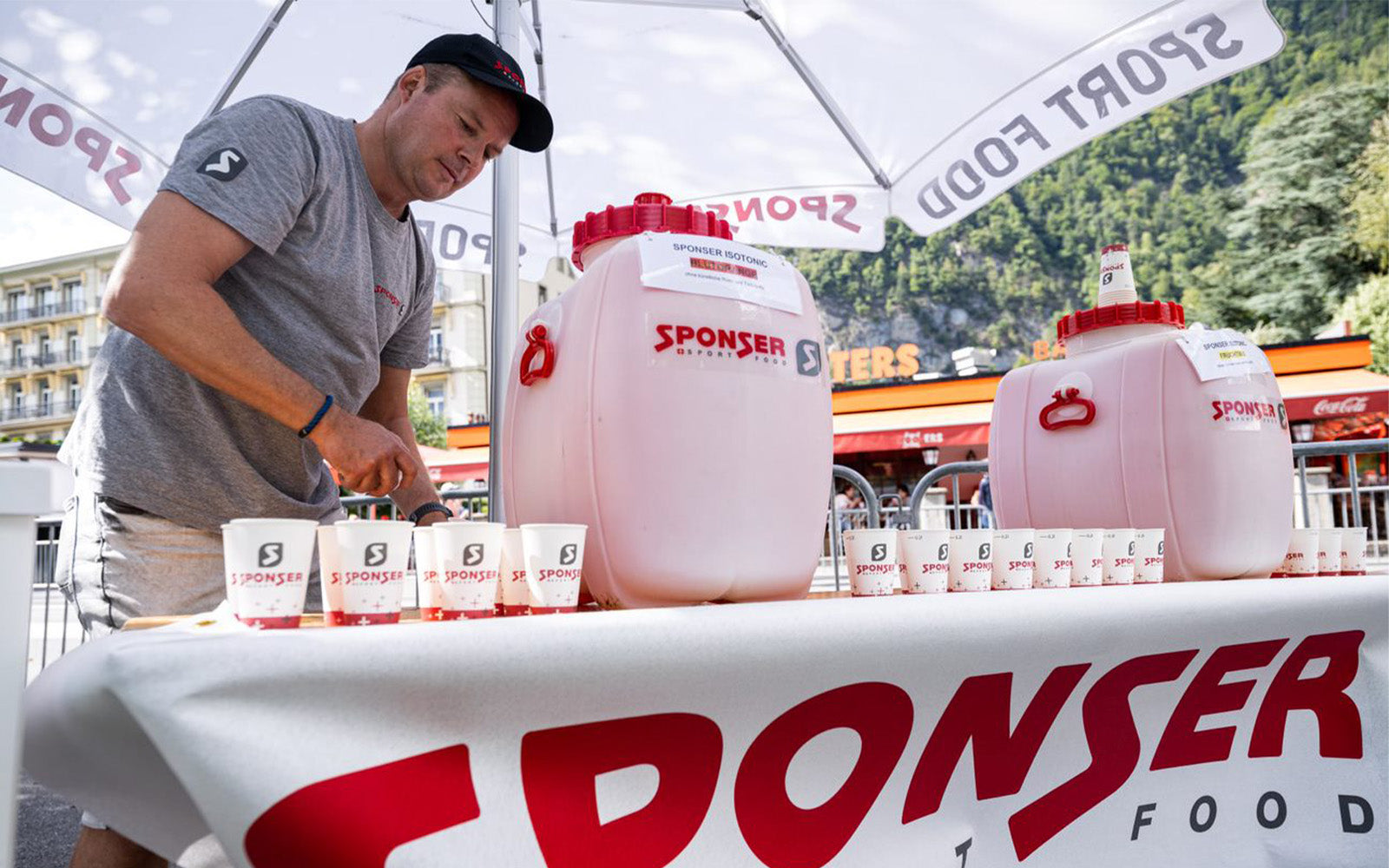
You should start challenging workouts with your carbohydrate stores sufficiently replenished. The higher the intensity, the more carbohydrates you need to consume per hour in the form of drinks, gels or bars. Because many important electrolytes, such as sodium, are lost through sweat, water is not the ideal drink for long periods of time. It is therefore a good idea to always carry a few Electrolyte tabs or Salt Caps in your bike bag, which can be used to conveniently turn any water bottle into an (energy- and sugar-free) sports drink when refilling on the go. Also Electrolytes Pure can be used to prepare an electrolyte-balanced sports drink tailored to your needs for use during strenuous physical activity, particularly for prolonged endurance exercise or strenuous activities in hot conditions.
For sessions lasting 3 hours or more, it is advisable to consume at least one source of protein to protect the muscles from energy deficiency and ‘self-cannibalisation’ (breakdown of muscle tissue). The energy in the form of carbohydrates should be adjusted to the intensity and training objective. This means that light training sessions can be deliberately completed with a reduced carbohydrate intake in order to train fat metabolism. The most important rule is always to carry enough carbohydrates with you on your bike so that you can finish your training session without feeling hungry.
Caffeine – the booster against fatigue and a lack of motivation
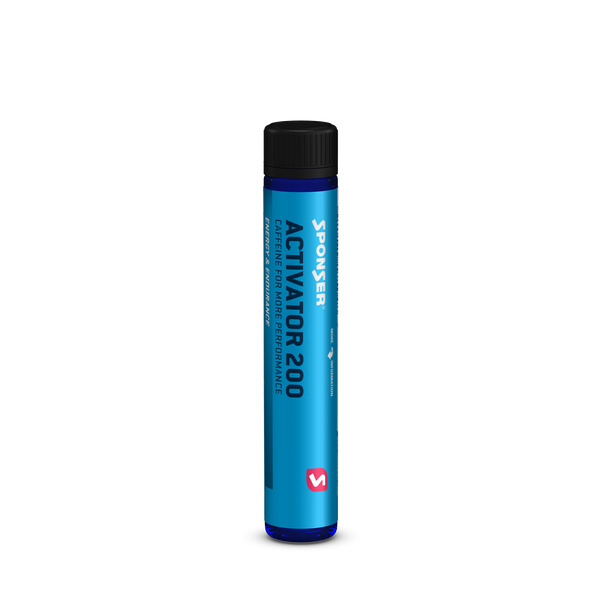
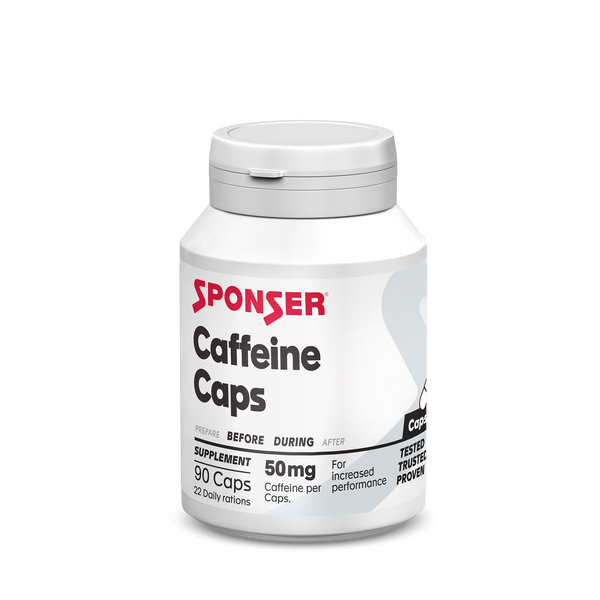
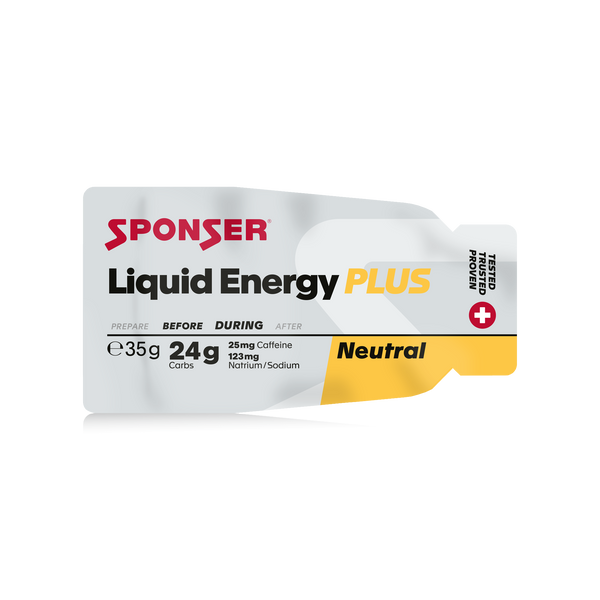
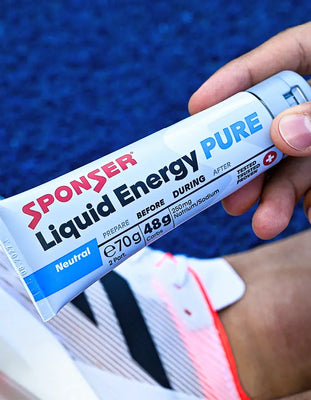
As training camps go on, fatigue inevitably builds up. Ultimately, this also affects motivation. Caffeine does wonders in situations like these! Caffeine shots like Activator, Power Gums or Liquid Energy gels with caffeine or Caffeine Caps provide the necessary kick on long training days or during tough interval training sessions. And they help spark new training enthusiasm.