Search





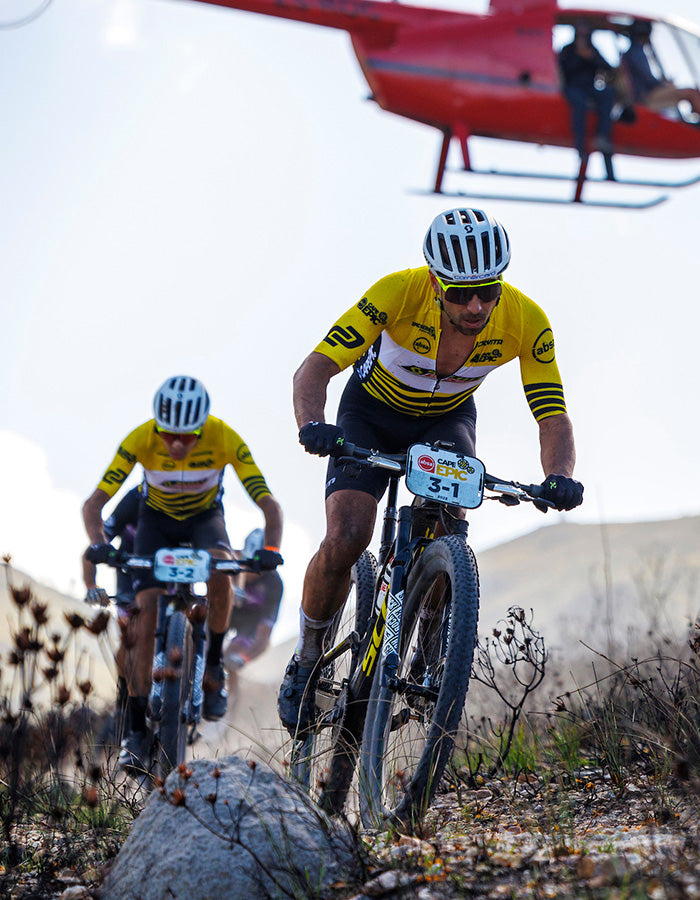


«How salty is sweat – and how many electrolytes should actually be consumed whilst cycling?» It is precisely this question that Swiss Cycling and SPONSER® have been investigating in the run-up to the European Championships on home soil in Monteceneri. To this end, selected athletes completed the SPONSER® Sweat Test to determine their individual sodium concentration in sweat – with the aim of moving away from one-size-fits-all recommendations towards a personalised hydration strategy.
During long training sessions, races in the heat or intense climbs, the body loses not only fluid but also electrolytes – particularly sodium. The amount lost varies greatly from person to person. Two people who sweat at a similar rate may have completely different electrolyte requirements. This is because sodium and other electrolytes perform important functions in the body. Among other things, they contribute to fluid balance, nerve function, muscle contraction and the maintenance of blood volume.
If large amounts of fluid and sodium are lost during prolonged or very intense physical exertion, or if they are not adequately replaced, this can lead, amongst other things, to reduced performance, increased fatigue, headaches, dizziness or difficulty in rehydrating. In severe cases, the electrolyte balance may also become disrupted. It is therefore not only crucial how much one drinks, but also how many electrolytes should be replaced on an individual basis. Particularly during prolonged exercise, small differences add up over several hours. The key question is not how much sodium a cyclist generally needs, but the amount lost through sweat on an individual basis.
The SPONSER® Sweat Test provides a specific measurement for this: your personal sodium concentration in sweat in mg/l. This allows drinks and electrolyte intake to be tailored precisely to your individual needs.
Once you know your personal measurement, you can:
• adjust the sodium content of their sports drink more precisely,
• plan strategies more effectively for hot weather, long rides and competitions,
• carry out targeted sodium loading before particularly sweat-inducing exertion,
• replenish fluids and electrolytes in a controlled manner after long sessions.
A sweat test is particularly useful for cyclists who:
• undertake long rides, gran fondos or stage races,
• frequently train in hot weather or compete in races in hot conditions,
• sweat heavily or with visibly salty sweat,
• wish to plan their nutrition and hydration as precisely as possible.


Swiss Cycling members who order the Sweat Test from the sponser.ch online shop will receive a free tin of Electrolytes Pure, worth CHF 19, when they use the promo code CyclingSweatTest26.
To claim this, simply add the Sweat Test and a tin of Electrolytes Pure to your basket and enter the promo code at checkout. Electrolytes Pure will then be added to your order as a free item.
This offer is exclusively for Swiss Cycling members and runs until 31 October 2026. Cannot be combined with other discounts.

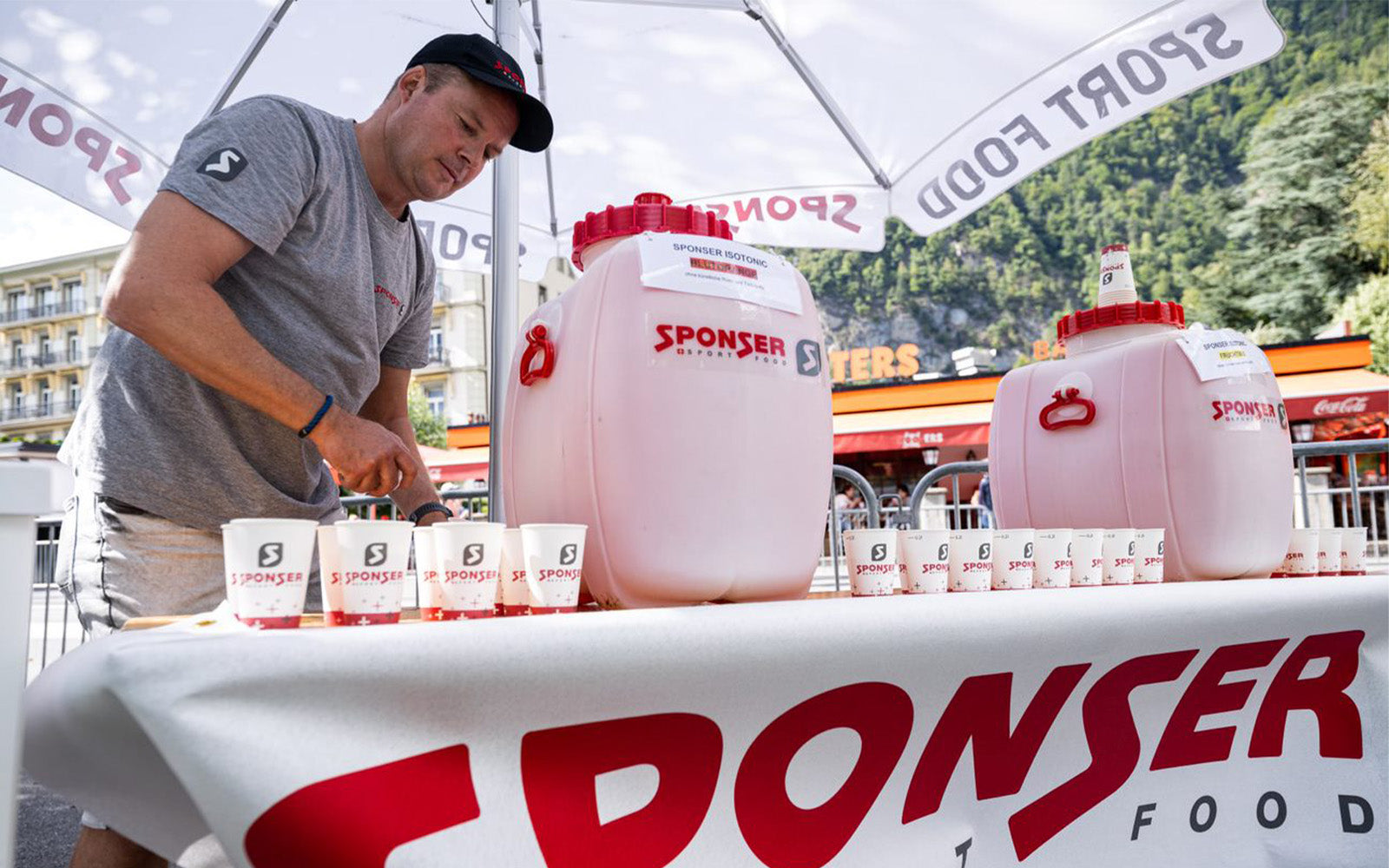
At more than 100 sporting events with more than 100,000 athletes every year, SPONSER® products are not only put through their paces under laboratory conditions, but also in practical tests. So not only our products, but also our athletes are always one step ahead of the competition.
At more than 100 sporting events with more than 100,000 athletes every year, SPONSER® products are not only put through their paces under laboratory conditions, but also in practical tests. So not only our products, but also our athletes are always one step ahead of the competition.